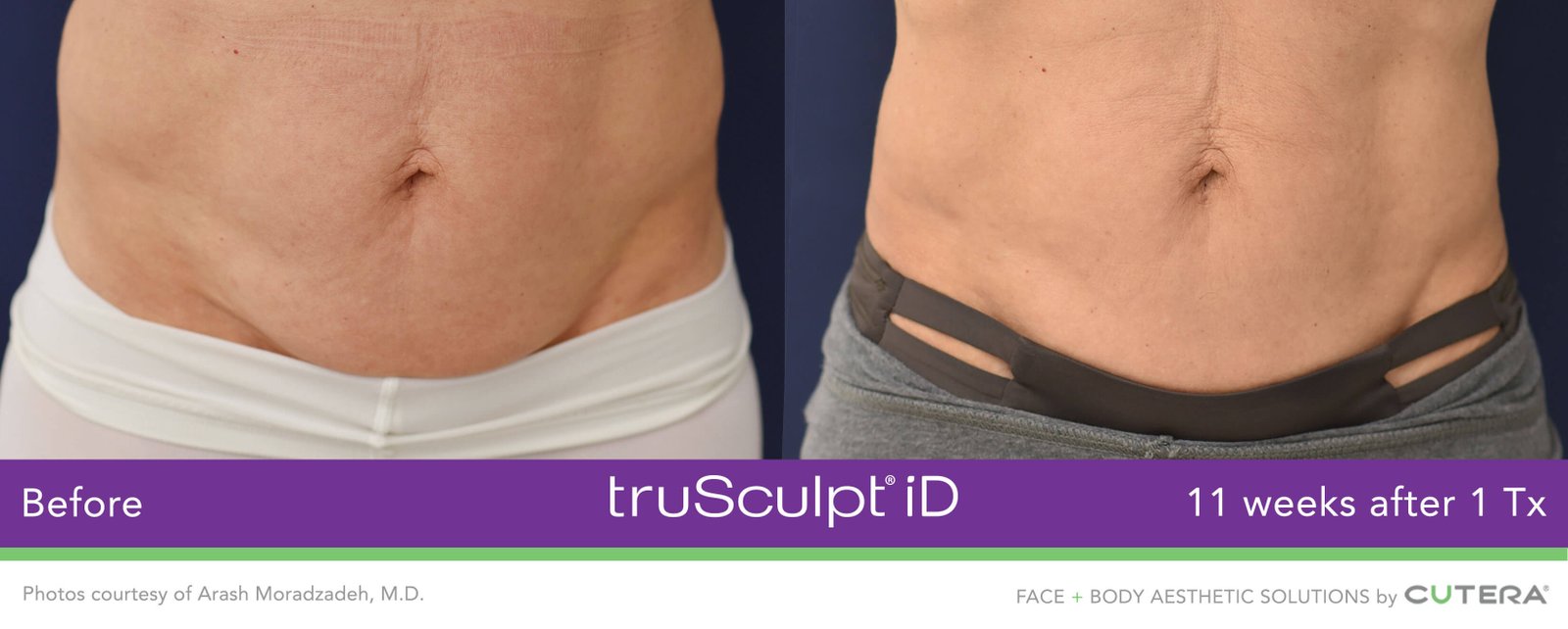
Stubborn fat can be one of the most frustrating obstacles for people who exercise regularly and maintain a balanced diet. While healthy habits play a major role in overall wellness, certain fat deposits simply refuse to disappear due to genetics, hormones, aging, or body composition. This challenge has fueled the popularity of non-surgical body contouring treatments, and among the most advanced options available today is TruSculpt iD.
Unlike invasive liposuction, TruSculpt iD uses radiofrequency (RF) technology to reduce localized fat cells without surgery, anesthesia, or lengthy recovery periods. The treatment has become increasingly popular because it offers targeted fat reduction with minimal disruption to daily life. truSculpt is intended for body contouring and localized fat reduction in appropriately selected patients; it is not a weight-loss treatment or treatment for obesity. But one of the most common questions patients ask before scheduling an appointment is: How much fat can TruSculpt iD reduce in one session?
The answer isn't a fixed number because individual results vary based on body composition, treatment area, lifestyle, and metabolic response. Clinical research and practitioner experience, however, provide a reliable estimate of what most patients can realistically expect. Understanding these expectations helps you determine whether TruSculpt iD aligns with your body contouring goals and whether additional sessions might be beneficial.
This comprehensive guide explains everything you need to know about fat reduction percentages, treatment outcomes, recovery, ideal candidates, comparisons with other technologies, and expert-backed tips for maximizing your results.
Understanding TruSculpt iD
TruSculpt iD is an FDA-cleared, non-invasive body sculpting treatment designed to reduce stubborn fat using monopolar radiofrequency energy. Unlike procedures that rely on freezing fat cells, TruSculpt iD delivers therapeutic heat to targeted subcutaneous fat tissue while maintaining surface skin comfort.
Once the fat cells are damaged, the body's natural lymphatic system gradually processes and eliminates them over several weeks. Cutera describes the resulting fat reduction as long-lasting when paired with a healthy lifestyle. This makes TruSculpt iD an appealing option for individuals looking to contour specific body areas without surgery.
At TruSculpt Miami, truSculpt is primarily utilized for non-invasive lipolysis of the abdomen and abdominal circumference reduction in accordance with Cutera's U.S. labeling. It can accommodate patients across a variety of body types seeking localized abdominal contouring.
Another notable consideration is convenience. Treatment sessions typically take 15 to 30 minutes and require no incisions or anesthesia. While patients can usually resume non-strenuous work, driving, and routine light daily activities immediately after leaving the clinic, the treated area will look flushed and feel mildly sensitive or warm to the touch. Clinicians advise pausing vigorous core workouts and extreme heat (such as saunas or hot tubs) for the first 24 to 48 hours to give localized tissues time to settle.
How TruSculpt iD Technology Works
The science behind TruSculpt iD revolves around controlled radiofrequency heating. During treatment, specialized applicators deliver consistent RF energy deep into the fat layer while continuously monitoring skin temperature to ensure patient safety.
The targeted fat cells reach temperatures that trigger apoptosis, a natural process of programmed cell death. Rather than instantly removing fat, the body gradually breaks down and eliminates these damaged cells through the lymphatic system over the following weeks. Unlike some fat reduction treatments that struggle with larger body types, TruSculpt iD can penetrate deeper tissue layers and effectively treat individuals across a broader BMI range.
Who Is an Ideal Candidate?
The best candidates for TruSculpt iD are individuals who are close to their ideal body weight but have localized pockets of stubborn fat that resist diet and exercise. It is important to understand that this treatment is not a weight-loss solution. Instead, it is a body contouring procedure designed to improve shape and definition.
Ideal candidates generally have good skin elasticity, maintain realistic expectations, and commit to a healthy lifestyle after treatment. Since remaining fat cells can still expand with weight gain, maintaining stable body weight plays a significant role in preserving long-term results.
How Much Fat Can TruSculpt iD Reduce in One Session?
The Clinical Study: 24% Average Fat Layer Thickness Reduction at 12 Weeks
In Cutera's pivotal clinical evaluation (published by Dr. Amy Taub and colleagues in the Journal of Drugs in Dermatology), patients demonstrated an average 24% reduction in subcutaneous fat layer thickness at the 12-week study endpoint following a single 15-minute 2 MHz monopolar RF session, measured objectively via diagnostic ultrasound.
It is critical to understand what this clinical metric actually measures. An average 24% reduction in fat thickness does not mean that 24% of total fat cells were counted and eliminated, nor does it mean a 24% loss of total body weight or total body fat. Rather, it represents the average thinning of the subcutaneous adipose layer in millimeters within the specific anatomical zone treated. Individual study participants experienced results distributed around this average, with outcomes influenced by starting adipose depth, tissue hydration, and individual metabolic clearance.
Patients typically begin observing initial contour changes around 6 to 8 weeks, with the definitive clinical endpoint assessed at 12 weeks post-procedure. The body's macrophage and lymphatic clearance pathways process apoptotic cell fragments gradually, which is why 12 weeks represents the standard timeline for clinical reassessment.
Adipocyte Biology: Can Fat Cells Regenerate?
A common misconception in aesthetic advertising is the blanket assertion that "adult fat cells can never regenerate under any circumstance." Clinical biology is more nuanced:
When adipocytes reach therapeutic apoptotic temperatures (45°C) during truSculpt treatment, those damaged cells are permanently digested and eliminated. They do not re-accumulate. However, human adipose tissue is dynamic. The remaining, surviving fat cells in the treated zone can still expand in size (hypertrophy) if you consume a consistent caloric surplus. Moreover, in cases of significant or sustained weight gain, the body can recruit undifferentiated pre-adipocytes to form new fat cells (hyperplasia). This is why non-surgical lipolysis must be paired with stable weight maintenance to preserve optimal long-term contours.
Clinical Evaluation & Visible Changes
In clinical evaluation cited by Cutera, an average 24% reduction in fat thickness was observed in treated areas after one session. Depending on anatomy, visible improvements often include:
- A flatter abdomen
- Better waistline definition
- Reduced love handles
- Improved body proportions
- More sculpted contours
Factors That Influence Results
Several variables affect how much fat TruSculpt iD removes in one session:
| Factor | Impact on Results |
|---|---|
| Initial fat thickness | Larger deposits may require additional sessions |
| Metabolism | Faster metabolism may process damaged fat cells more efficiently |
| Lifestyle | Healthy eating and exercise help maintain results |
| Hydration | Supports lymphatic drainage and recovery |
| Age | Skin elasticity influences visible contour improvements |
| Treatment area | Different body regions respond at different rates |
| Provider expertise | Proper applicator placement affects treatment effectiveness |
What Happens During a TruSculpt iD Session?
Many people considering body contouring feel more anxious about the unknown than the treatment itself. Fortunately, a TruSculpt iD session is straightforward, non-invasive, and designed with patient comfort in mind. From the moment you arrive at the clinic, the process is focused on identifying your target areas and creating a customized treatment plan rather than following a one-size-fits-all approach.
Before the procedure begins, your provider evaluates the areas with stubborn fat, discusses your goals, and marks the treatment zones. Specialized handpieces are then placed directly on the skin. These applicators deliver monopolar radiofrequency energy that heats the fat layer beneath the skin while integrated sensors continuously monitor skin temperature to maintain both safety and effectiveness.
During treatment, most patients describe the sensation as a deep, consistent warmth—similar to using a heated blanket or hot stone massage. The temperature gradually rises to therapeutic levels that damage fat cells without harming surrounding tissues. Because the device cycles through heating and cooling phases, discomfort is generally minimal.
Unlike surgical liposuction, TruSculpt iD does not require incisions, general anesthesia, or mandatory compression garments. However, describing the procedure as having an absolute "absence of downtime" or "zero recovery restrictions" does not reflect standard tissue healing and clinical precautions:
- Transient Erythema & Warmth: Treated skin routinely appears flushed pink to red and feels warm to the touch for several hours post-procedure, resembling a mild sunburn.
- Localized Tenderness & Mild Edema: The treated subcutaneous fat layer frequently feels tender, bruised, or mildly swollen for 24 to 72 hours following therapeutic radiofrequency heating.
- Activity & Heat Guidance: While patients can return to work and drive home immediately, clinicians recommend pausing strenuous exercise (especially intense abdominal training), hot tubs, steam rooms, and saunas for 24 to 48 hours to avoid exacerbating tissue inflammation.
- Subcutaneous Tissue Nodules: Some patients may notice small, palpable firm areas or nodules in the treated fat as macrophages break down apoptotic cells. While these typically soften and diminish over 4 to 8 weeks, patients should monitor them and notify the clinic if they remain tender or persistent.
Focused Treatment Areas
At TruSculpt Miami, treatment recommendations follow Cutera's U.S. labeling and physician evaluation:
- Abdomen: Upper and lower subcutaneous abdominal fullness
- Flanks: Lateral waistline and love handles
- truFlex Muscle Sculpting: For abdominal, gluteal, or thigh muscle toning
When Will You See Results?
One of the most important things to understand before undergoing TruSculpt iD is that results are not immediate. Unlike cosmetic procedures that create an instant visual change, radiofrequency fat reduction works by triggering the body's natural elimination process. After treatment, the damaged fat cells are gradually broken down and removed through the lymphatic system, which takes time.
Most patients begin noticing subtle improvements within 6 to 8 weeks, particularly when clothing starts fitting more comfortably or body contours appear slightly more defined. These gradual changes often look more natural than dramatic overnight transformations because the body is steadily eliminating treated fat cells rather than producing sudden volume loss.
Timeline for Fat Elimination
| Time After Treatment | What to Expect |
|---|---|
| Immediately | Mild redness or warmth may occur |
| 1–2 Weeks | Fat cells begin breaking down internally |
| 4–6 Weeks | Early contour improvements may become noticeable |
| 8 Weeks | Most patients observe visible fat reduction |
| 12 Weeks | Final results are typically achieved |
Can You Speed Up the Process?
While you cannot force the body to eliminate fat cells faster, healthy habits can support optimal recovery and long-term results. Staying well-hydrated helps the lymphatic system function efficiently, while regular physical activity promotes circulation and overall metabolic health. Eating a balanced diet rich in lean proteins, fruits, vegetables, and whole grains can also help maintain the improvements achieved through treatment.
How Many Sessions Do Most People Need?
Although a single TruSculpt iD session achieves an average 24% reduction in subcutaneous fat thickness at the 12-week clinical evaluation endpoint, the number of treatments recommended depends on baseline adipose volume, tissue distribution, and individual contouring goals. Patients seeking subtle refinement often achieve their goal in one session, while those with thicker adipose layers may benefit from a second treatment scheduled after the 12-week reassessment.
Many aesthetic providers recommend one to three sessions spaced several weeks apart. This allows the body to complete its natural fat elimination process before determining whether further contouring is necessary. For individuals with larger fat deposits, multiple sessions can produce more noticeable and balanced improvements without surgery.
TruSculpt iD vs. Other Fat Reduction Treatments
The non-surgical body contouring market has expanded rapidly over the past decade, giving patients more choices than ever before. While TruSculpt iD has earned recognition for its versatility and convenience, it is often compared with treatments such as CoolSculpting®, SculpSure®, Emsculpt Neo®, and traditional liposuction.
Comparison Table
| Treatment | Technology | Avg Reduction | Downtime | Best For |
|---|---|---|---|---|
| TruSculpt iD | Monopolar RF | ~24% study average (Taub et al.; individual results vary) | Minimal (mild redness/heat; avoid direct ice & intense core workouts 24h) | Stubborn subcutaneous fat on abdomen & flanks |
| CoolSculpting® | Cryolipolysis (Freezing) | ~20–25% clinical average | Minimal to moderate (temporary numbness, bruising, swelling) | Localized, pinchable fat pockets |
| SculpSure® | Laser Lipolysis (1060 nm) | ~24% clinical average | Minimal (localized tenderness, mild swelling) | Small to moderate fat deposits |
| Emsculpt Neo® | RF + HIFEM | Combined fat reduction & muscle toning | Minimal (muscle soreness for 24–48h) | Body sculpting and muscle toning |
| Liposuction | Surgical Fat Removal | Variable (surgical debulking) | 1 to 3+ weeks (compression garments, surgical healing) | Larger-volume localized fat removal |
Benefits and Limitations
Like any cosmetic procedure, TruSculpt iD offers significant advantages while also having limitations that prospective patients should understand before making a decision. Knowing both sides of the equation helps set realistic expectations.
Pros and Cons
Pros
- Non-surgical and non-invasive
- No anesthesia required
- Minimal downtime (rapid return to light daily routines)
- Treats indicated body areas
- Long-lasting fat reduction
- Suitable for a wide range of BMIs
Cons
- Not intended for weight loss
- Results take several weeks
- Some patients need multiple sessions
- Individual results vary
- Healthy lifestyle still required
- Less dramatic than surgical liposuction
Conclusion
If you're wondering, "How much fat can TruSculpt iD remove in one session?", clinical ultrasound evaluation demonstrates an average 24% reduction in subcutaneous fat layer thickness at the 12-week study endpoint following a single treatment. While this does not translate into losing a quarter of your total body fat or scale weight, it produces meaningful, natural-looking refinement in targeted problem zones.
The procedure is particularly appealing because it combines science-backed fat reduction with practical convenience. Sessions usually take less than 30 minutes and require no incisions or surgical recovery periods. While most patients resume non-strenuous daily activities right away, mild localized warmth, redness, and sensitivity are expected for the first 24 to 48 hours. Over the following 6 to 12 weeks, the body naturally clears the treated fat cells through lymphatic pathways, gradually revealing smoother and more defined contours.
When combined with balanced nutrition, regular exercise, and stable weight management, TruSculpt iD can provide long-lasting improvements that complement a healthy lifestyle and help you achieve a more sculpted appearance.
— Dr. Nina Gupta, MD