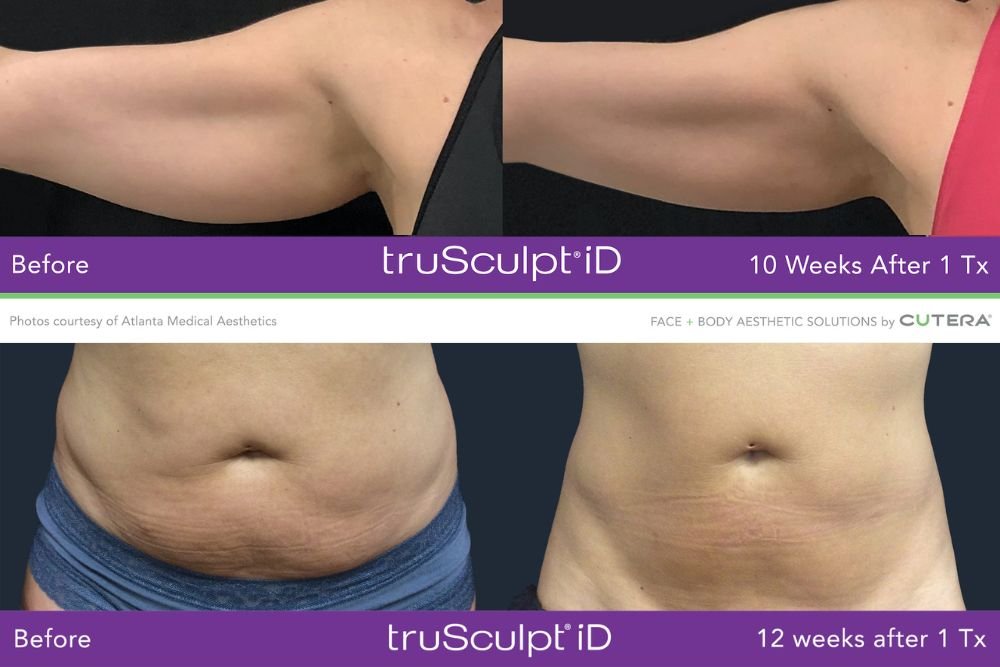
In the pursuit of standard body confidence, many individuals reach a point where diet and exercise alone feel like they are no longer enough. Pockets of stubborn fat around the abdomen, love handles, or thighs can persist even with a dedicated active lifestyle. Non-surgical fat reduction has emerged as a popular choice, with truSculpt leading the way. But before spending your hard-earned money, it is vital to understand the true costs, potential results, and actual overall value this procedure offers.
The Rise of “Lunch Break” Cosmetic Procedures
Modern cosmetic treatments are increasingly built around convenience, and truSculpt fits perfectly into that trend. The phrase “lunch break procedure” gets thrown around constantly in aesthetic marketing because it taps into what busy professionals want most: visible results without putting life on hold. Years ago, cosmetic body contouring often meant taking vacation days, wearing compression garments, and recovering for weeks. Today, many people walk into a clinic, get treated, and continue their day almost immediately.
That convenience changes how people psychologically evaluate the cost. Spending $2,000 on surgery with weeks of downtime feels very different from spending the same amount on a procedure that barely interrupts your schedule. Time has become its own form of currency, and non-invasive treatments capitalize on that reality. For entrepreneurs, parents, executives, and anyone juggling nonstop responsibilities, avoiding recovery can feel just as valuable as the cosmetic outcome itself.
The Evolution of Body Sculpting
Cosmetic contouring has evolved from highly invasive operations requiring lengthy medical recovery to quick, targeted treatments. In 2026, treatments like truSculpt allow patients to address targeted fat cells comfortably during their lunch hour and head straight back to work without restrictions.
Social media has amplified this trend dramatically. Influencers and celebrities casually mention body contouring procedures the way people once discussed facials or hair appointments. That normalization has reduced stigma and increased curiosity. Instead of hiding cosmetic treatments, many people now openly share them online, creating a ripple effect where others start viewing these procedures as common maintenance rather than dramatic interventions.
Clinics also market these treatments using language that feels approachable and low-risk. Terms like “body sculpting,” “contouring,” and “toning” sound less intimidating than surgery. This softer branding attracts people who may never have considered cosmetic procedures before. Someone hesitant about liposuction may feel perfectly comfortable trying truSculpt because it seems less permanent, less painful, and less medically intense.
The irony is that while these procedures are marketed as simple and effortless, achieving meaningful results often still requires consistency and lifestyle discipline. truSculpt can reduce fat cells, but it cannot override unhealthy eating habits or a sedentary routine. Some people spend thousands chasing cosmetic fixes while ignoring the basics of nutrition and exercise. In those cases, the treatment may not feel worth the investment because the results fade or remain too subtle.
The people who usually report the highest satisfaction are those who already maintain relatively healthy lifestyles. For them, truSculpt acts like a finishing touch rather than a rescue mission. It’s the difference between polishing a car that’s already in great condition and trying to repair one with major structural damage. Understanding that distinction is critical before deciding whether the treatment deserves your money.
Who Typically Chooses truSculpt Treatments
The average truSculpt patient is not necessarily someone trying to lose a massive amount of weight. In fact, most providers emphasize that ideal candidates are already close to their target body weight. They simply have stubborn fat areas that resist traditional methods. These individuals often feel frustrated because they exercise consistently and eat reasonably well yet still struggle with pockets of fat around the abdomen, thighs, arms, or flanks.
Women make up a large percentage of the market, especially after pregnancy or significant hormonal changes. Many mothers discover that certain body areas never fully return to their previous shape despite regular workouts. truSculpt becomes appealing because it offers a non-surgical option to refine those areas without the physical demands of surgery recovery while managing family and career responsibilities.
Men are increasingly turning to body contouring treatments as well. In particular, abdominal sculpting and flank reduction have become popular among men who want a leaner, more athletic appearance. There’s been a noticeable rise in male-focused aesthetic marketing over the last few years, and procedures once associated mostly with women are now widely used by both genders.
Age also plays a role. Most patients fall somewhere between their late 20s and late 50s, although older adults pursue treatment too. Younger patients often seek aesthetic refinement, while older patients may be addressing age-related body composition changes and skin laxity. Since radiofrequency treatments can provide mild tightening effects, some older individuals find truSculpt more appealing than fat-freezing technologies alone.
Income level matters more than many clinics openly admit. Because body contouring is considered cosmetic, insurance rarely covers it. That means patients pay entirely out of pocket. Individuals with disposable income are more likely to pursue these treatments repeatedly, especially because maintenance sessions may be recommended over time.
There’s also an emotional side that shouldn’t be ignored. People often pursue truSculpt before major life events — weddings, vacations, reunions, milestone birthdays, or career transitions. Looking better physically can create a confidence boost that extends beyond appearance alone. For some, that emotional payoff makes the treatment feel completely worthwhile even if the physical changes are modest.
How Much Does truSculpt Cost in 2026?
One of the biggest deciding factors for most people is cost. Even if the technology sounds impressive and the before-and-after photos look convincing, the price tag ultimately determines whether truSculpt feels realistic or excessive. The challenge is that pricing varies enormously depending on location, provider expertise, treatment area, and the number of sessions needed.
In 2026, the average truSculpt iD session typically ranges between $750 and $3,500. Smaller treatment areas like under the chin may sit on the lower end, while larger zones such as the abdomen or multiple combined areas can quickly push costs upward. Some premium cosmetic clinics in large cities charge significantly more due to reputation and demand.
Most patients require more than one session to achieve their desired results. While some providers advertise visible fat reduction after a single treatment, many recommend two or three sessions spaced several weeks apart. That means the total investment can climb into the several-thousand-dollar range surprisingly fast.
Here is a general pricing overview for common treatment zones:
| Treatment Area | Average Cost Per Session |
|---|---|
| Under Chin | $750 – $1,200 |
| Arms | $1,000 – $2,000 |
| Abdomen | $1,500 – $3,500 |
| Thighs | $1,500 – $3,000 |
| Flanks / Love Handles | $1,200 – $2,500 |
These numbers may feel shocking initially, especially considering the results are often gradual rather than dramatic. That’s where the “worth it” debate becomes intensely personal. Some people happily spend thousands for a subtle contour improvement because it boosts confidence daily. Others see the same cost and conclude they’d rather invest in a gym membership, personal trainer, or vacation instead.
Geographic location significantly affects pricing too. Clinics in cities like Los Angeles, Miami, New York, and London often charge premium rates compared to smaller suburban markets. Provider expertise also matters. Highly experienced cosmetic dermatologists and plastic surgeons tend to command higher prices than newer med spas.
Another hidden cost is maintenance. Fat cells removed through treatment are gone, but remaining fat cells can still expand with future weight gain. Some patients return periodically for touch-up sessions, which increases long-term spending considerably. Over several years, someone could spend enough on body contouring to equal the cost of surgical liposuction.
That doesn’t automatically mean truSculpt is overpriced. Surgery carries risks, downtime, and emotional stress that many people strongly wish to avoid. The real question becomes whether convenience and lower invasiveness justify the ongoing financial commitment.
Average Pricing Per Session
Pricing structures vary wildly between clinics, which can make comparison shopping frustrating. Some providers quote prices by treatment area, while others charge based on applicator size or treatment duration. Promotional packages also complicate things because clinics frequently advertise discounted bundles to attract new clients.
Single-session pricing often looks manageable at first glance. A med spa might advertise abdominal treatment for $1,500, which sounds expensive but attainable. Then comes the consultation, where patients learn that two or three sessions may deliver better contouring results. Suddenly, the total climbs toward $4,500 or more.
Combination therapies increase costs further. Clinics commonly pair truSculpt with skin tightening, lymphatic drainage, or muscle stimulation treatments to improve outcomes. These add-ons can produce more dramatic transformations, but they also expand the budget significantly.
Patients should also consider consultation fees, post-treatment care products, and financing interest if monthly payment plans are used. Cosmetic financing companies make procedures feel more affordable upfront, but interest charges can substantially increase total spending over time.
The emotional sales environment inside cosmetic clinics deserves attention too. Providers often use flattering lighting, transformation galleries, and persuasive language to encourage larger treatment plans. Some patients walk in expecting one area and leave purchasing full-body packages costing several thousand dollars.
Careful budgeting matters because cosmetic procedures can become addictive for certain individuals. Once someone experiences even modest improvements, they may start noticing additional “problem areas” they want to address next. That cycle can lead to continuous spending without ever feeling fully satisfied.
Factors That Influence truSculpt Pricing
Several key factors determine how much you’ll ultimately pay for truSculpt treatments. One of the biggest is body size. Larger treatment areas require more energy delivery and longer sessions, naturally increasing the cost. Someone targeting a small lower-abdominal pocket will usually pay far less than someone treating the full abdomen, flanks, and thighs simultaneously.
Provider reputation heavily influences pricing too. Board-certified dermatologists and plastic surgeons with extensive aesthetic experience often charge premium rates. While cheaper providers exist, lower pricing doesn’t always mean better value. In cosmetic medicine, skill and experience matter enormously because treatment customization affects results.
Technology generation also affects pricing. Clinics using newer truSculpt devices may charge more due to equipment investment costs. Some providers bundle newer technology with advanced treatment protocols designed to improve comfort or maximize fat reduction.
Local competition can either lower or raise prices depending on the market. In cities flooded with med spas, clinics may offer aggressive discounts to attract patients. In areas with fewer providers, pricing often remains high because demand exceeds availability.
Patient goals influence cost as well. Someone seeking subtle contour refinement may only need one session. Someone wanting dramatic waist reduction could require multiple rounds and combined therapies. During consultations, providers typically create personalized treatment plans based on these expectations.
Is Financing Available for truSculpt Treatments?
Because truSculpt is considered an elective cosmetic procedure, most clinics understand that many patients cannot or do not want to pay thousands of dollars upfront. That’s why financing has become deeply integrated into the aesthetics industry. Walk into almost any med spa or cosmetic clinic today, and you’ll likely see payment plan advertisements sitting right next to before-and-after photos.
Most providers partner with third-party financing companies such as CareCredit, Cherry, Alphaeon Credit, or in-house installment systems. These options break the total treatment cost into monthly payments, which can make a $3,000 to $6,000 treatment package psychologically feel more manageable. Instead of focusing on the full amount, patients often focus on whether they can comfortably handle a monthly payment of $100 to $300.
That convenience comes with an important catch: interest. Some financing promotions offer temporary zero-interest periods, but others carry surprisingly high rates. A treatment package that originally costs $4,000 can end up costing significantly more once financing fees and interest are added over time. People evaluating whether truSculpt is worth the money should always calculate the final repayment amount rather than focusing solely on monthly affordability.
Financing also changes consumer behavior in subtle ways. Studies in behavioral economics consistently show that people spend more freely when costs are divided into smaller payments. Cosmetic clinics know this. It’s much easier to sell a multi-area package when the conversation shifts from “This costs $5,500” to “This is only $180 per month.” That emotional reframing can encourage people to commit to procedures they might not otherwise purchase outright.
There’s another layer to consider too: cosmetic maintenance culture. Once financing normalizes aesthetic spending, some individuals begin stacking treatments repeatedly. A person may finance truSculpt, then add fillers, laser treatments, skin tightening, or muscle toning procedures afterward. Before long, cosmetic spending becomes a recurring monthly expense rather than a one-time investment.
That doesn’t mean financing is inherently bad. For many patients, spreading out costs allows them to access treatments that genuinely improve confidence and quality of life. Someone who has struggled with stubborn body insecurities for years may feel enormous emotional relief after seeing successful contour improvements. In those cases, the financial investment can feel deeply worthwhile.
Still, financial stress can erase that satisfaction quickly. Cosmetic procedures should ideally enhance your life, not create debt anxiety. If paying for truSculpt requires sacrificing essentials, accumulating high-interest balances, or creating ongoing financial pressure, the emotional payoff may not justify the burden. Evaluating the treatment honestly means considering not just the physical results, but the broader impact on your financial wellbeing too.
What Results Can You Realistically Expect?
This is where expectations become everything. One of the biggest reasons some people feel disappointed after truSculpt is because marketing often creates unrealistic assumptions. Social media transformations and clinic advertisements can make it seem like a single session will dramatically reshape your body. In reality, most outcomes are more subtle and gradual.
truSculpt works best for contour refinement, not major transformation. If you already maintain a relatively stable weight and simply want to smooth out stubborn areas, the results can be genuinely satisfying. Clothes may fit better, your waistline may appear more defined, and small bulges may become less noticeable. Those improvements can create a meaningful confidence boost even if the scale barely changes.
The treatment destroys fat cells using radiofrequency heat, but your body still needs time to process and eliminate those damaged cells naturally. That means results don’t appear overnight. Many patients begin noticing changes within six to twelve weeks, with full outcomes often taking up to three months or longer.
One important reality is that results vary dramatically between individuals. Some patients experience visible contour changes after one session, while others see only minimal improvement despite spending thousands. Genetics, metabolism, treatment area, body composition, age, hydration, and lifestyle habits all influence how effectively the body responds.
Clinics often advertise fat reduction percentages, such as up to 24% reduction in treated areas. While technically possible, that figure doesn’t necessarily translate into dramatic visual change. Losing 20% of a small fat pocket can look impressive in photos under controlled lighting, but subtler in everyday life.
Another issue is photographic marketing. Before-and-after images are often taken under ideal conditions with strategic posture, lighting, angles, and clothing. That doesn’t make them fake, but it does mean real-world results may appear less dramatic than promotional materials suggest.
People who report the highest satisfaction usually enter the process with realistic expectations. They understand that truSculpt is designed for enhancement, not reinvention. It’s more like sharpening the edges of a sculpture that already exists rather than creating an entirely new body shape.
Timeline for Seeing Visible Results
Patience is essential with truSculpt. Unlike surgical procedures where changes can appear relatively quickly after swelling subsides, radiofrequency fat reduction works gradually. Your body needs time to metabolize and remove damaged fat cells through natural biological processes.
Day of Treatment (Immediate)
The session is completed within 15–60 minutes. Mild redness and heat in the treated zone are normal and subside quickly. Zero downtime required.
Weeks 1–4
Subcutaneous cellular processes are underway as target fat cells begin breaking down. No visible outer changes are expected yet.
Weeks 6–8
Most patients start observing initial mild visible changes as body contours begin shifting and fat pocket volume shrinks.
Weeks 12+
Full outcomes and final contours are established. The silhouette is visibly refined, showing up to a 24% reduction in target zones.
Lifestyle habits heavily influence outcomes during this period. Staying hydrated, maintaining exercise routines, and eating balanced meals may help optimize the body’s elimination processes. Significant weight gain after treatment can also reduce visible results because remaining fat cells can still expand.
Some clinics recommend lymphatic massage or additional skin treatments to enhance results. While evidence varies regarding effectiveness, these add-ons are frequently marketed as ways to maximize contour improvements.
The emotional waiting game can be surprisingly challenging too. After investing financially and emotionally in treatment, many patients constantly examine their bodies searching for changes. This hyper-focus can distort perception. Some individuals become overly critical and conclude the procedure failed even when measurable improvement exists.
Others experience the opposite effect, convincing themselves results are more dramatic because they want the investment to feel justified psychologically. Cosmetic procedures often involve a strong emotional component that influences satisfaction beyond purely objective measurements.
Areas of the Body truSculpt Targets Best
Certain body areas tend to respond better to truSculpt than others. The abdomen remains one of the most popular treatment zones because stubborn belly fat is incredibly common and often resistant to traditional fitness efforts. Many patients pursue truSculpt specifically to create a flatter or more sculpted midsection.
Love handles and flanks also respond relatively well. These areas can be difficult to target through exercise alone, making them attractive candidates for body contouring. Even modest fat reduction around the waist can noticeably change silhouette and clothing fit.
Thighs are another common treatment area, particularly for women dealing with inner-thigh fullness or outer-thigh contour concerns. Arm treatments have also gained popularity, especially among patients wanting to reduce upper-arm softness without surgery.
Under-chin treatments have expanded significantly too. Submental fat, commonly called a double chin, can persist even in otherwise lean individuals. Because the area is smaller, some patients achieve visible improvement with fewer sessions compared to larger body zones.
Results often depend on skin quality as much as fat volume. Younger patients with better skin elasticity usually see smoother contour outcomes because the skin adapts more effectively after fat reduction. Patients with significant skin laxity may experience less satisfying results if loose skin remains noticeable afterward.
This is one reason some providers combine truSculpt with skin-tightening procedures. Fat reduction alone doesn’t necessarily create firmness. If skin elasticity is poor, removing volume can occasionally exaggerate looseness rather than improve appearance.
Clinics frequently market truSculpt as suitable for nearly every body area, but not all regions respond equally. Areas with smaller, localized fat deposits often show the most noticeable improvements. Larger-volume fat reduction may require multiple sessions and still produce subtler outcomes than surgical alternatives.
How Long Do truSculpt Results Last?
One of truSculpt’s biggest selling points is that destroyed fat cells do not regenerate. Once eliminated, those specific cells are gone permanently. That sounds impressive — and technically, it’s true. However, the full picture is slightly more complicated.
Your body still contains remaining fat cells after treatment. If you gain weight later, those existing cells can expand. This means your contours may gradually change again even though treated fat cells were removed successfully. In simple terms, truSculpt can permanently reduce fat cell quantity, but it cannot permanently prevent future weight gain.
Patients who maintain stable body weight often enjoy long-lasting results for years. Healthy eating, regular movement, hydration, and consistent routines all help preserve contour improvements. In those situations, many people feel the treatment absolutely justified the expense because the benefits remain visible long term.
Weight fluctuations dramatically affect satisfaction levels though. Someone who undergoes body contouring and later gains significant weight may feel disappointed when treated areas lose definition again. The procedure didn’t technically fail, but lifestyle changes altered the visual outcome.
Aging also affects longevity. Skin elasticity naturally decreases over time, and body composition shifts with hormonal changes. Even if fat reduction remains stable, aging can influence how contours appear years later.
Some clinics recommend periodic maintenance treatments to preserve optimal shaping. This can improve long-term aesthetics, but it also increases lifetime costs considerably. Over several years, repeated sessions can become a substantial financial commitment.
Ultimately, truSculpt tends to provide the best long-term value for people committed to maintaining their health and weight stability afterward. When paired with realistic expectations and healthy habits, results can remain satisfying for a long time. When viewed as a substitute for lifestyle management, disappointment becomes much more likely.
Is truSculpt Worth the Money Compared to Alternatives?
Whenever someone considers spending thousands on a cosmetic procedure, comparison becomes inevitable. truSculpt doesn’t exist in a vacuum. Patients today can choose from CoolSculpting, Emsculpt, liposuction, laser fat reduction, injectable treatments, personal training programs, and even surgical body lifts. The real question is not just whether truSculpt works, but whether it delivers enough value compared to the alternatives available at similar or lower price points.
For some people, truSculpt occupies a “sweet spot” between effectiveness and convenience. It avoids surgery, recovery, and anesthesia while still producing visible contour changes. That combination is appealing. But for others, the cost-to-result ratio may feel underwhelming, especially when compared to procedures that provide more dramatic transformation.
One of the biggest factors influencing perceived value is expectation. Someone wanting subtle refinement may see truSculpt as an excellent investment because the treatment accomplishes exactly what they hoped for. Someone expecting dramatic reshaping similar to liposuction may leave feeling disappointed regardless of the actual fat reduction achieved.
Another issue is cumulative spending. Many patients underestimate how quickly cosmetic costs add up. A single treatment area can become multiple sessions, then maintenance sessions, then combination therapies. Over several years, patients sometimes spend enough on non-invasive contouring to have paid for surgery outright.
That doesn’t automatically make surgery the better option though. Surgical procedures involve downtime, bruising, anesthesia risks, and emotional recovery. Some people strongly value avoiding those experiences, even if it means accepting subtler results.
Lifestyle also matters. If someone already exercises regularly and maintains healthy nutrition, small contour refinements may stand out beautifully and feel highly rewarding. For individuals struggling with broader weight-management challenges, non-invasive treatments often produce less satisfying outcomes because the surrounding body composition limits visible contrast.
Psychology plays a surprisingly large role too. Confidence improvements after aesthetic procedures can feel genuinely life-changing for some patients. Feeling more comfortable in photos, clothing, swimsuits, or social settings carries emotional value that can’t always be measured in inches lost.
At the same time, cosmetic marketing sometimes exploits insecurity aggressively. Patients should carefully distinguish between procedures that truly align with personal goals and procedures purchased primarily due to social pressure or unrealistic beauty standards. The most satisfying cosmetic decisions usually come from self-directed goals rather than comparison-driven anxiety.
vs. CoolSculpting
TruSculpt uses uniform RF heat. CoolSculpting uses cold suction. Some patients find heat treatments faster and more comfortable than freezing procedures.
vs. Liposuction
Liposuction targets large volumes surgically. truSculpt offers moderate refinement with no downtime, no surgical scars, and lower overall risk.
vs. Diet & Exercise
Diet and exercise set the health baseline. truSculpt behaves as a finishing chisel for localized, genetic fat pockets that resist standard workouts.
truSculpt vs CoolSculpting
The comparison between truSculpt and CoolSculpting comes up constantly because both target stubborn fat without surgery. The technologies differ significantly though, and those differences affect comfort, pricing, and patient preference.
CoolSculpting uses controlled cooling to freeze fat cells, while truSculpt uses radiofrequency heat to destroy them. Some patients strongly prefer heat-based treatments because they find cold suction uncomfortable or even painful. Others tolerate CoolSculpting perfectly and like its longer market history and widespread brand recognition.
Treatment duration also differs. truSculpt sessions are often faster, especially for larger treatment areas. CoolSculpting may require multiple applicator placements and longer appointment times depending on the body zone.
In terms of results, studies suggest both treatments can reduce fat effectively when performed correctly. Some providers argue truSculpt offers more uniform heating and can better treat irregular body shapes because it doesn’t rely on suction applicators. CoolSculpting supporters often point to years of patient data and strong before-and-after documentation.
Side effects vary too. CoolSculpting carries a rare but serious risk called paradoxical adipose hyperplasia (PAH), where treated fat unexpectedly enlarges rather than shrinks. This complication remains uncommon but has received significant media attention. truSculpt does not appear associated with that same risk, which influences some patients’ decisions.
Cost comparisons depend heavily on provider pricing structures. In many markets, the two treatments fall into relatively similar price ranges overall. Some patients choose based primarily on comfort preferences rather than dramatic differences in effectiveness.
Neither treatment should be viewed as a substitute for substantial weight loss. Both work best for localized contour refinement in relatively healthy individuals. People expecting dramatic body transformation from either procedure often end up dissatisfied regardless of which technology they select.
truSculpt vs Liposuction
Comparing truSculpt to liposuction is a little like comparing a precision garden trimmer to a full landscaping renovation. Both can improve appearance, but the scale of results differs enormously.
Liposuction remains the gold standard for significant fat removal. A skilled surgeon can remove far larger fat volumes in a single procedure than non-invasive technologies can achieve over multiple sessions. If someone wants dramatic reshaping, liposuction usually delivers more noticeable results.
The tradeoff is invasiveness. Surgery involves anesthesia, incisions, swelling, bruising, compression garments, and recovery time. Even when complications are rare, the physical and emotional intensity of surgery is real. Some patients simply do not want to undergo an invasive procedure under any circumstances.
truSculpt appeals to people seeking moderate improvement without downtime. You can return to work immediately after treatment, avoid scars, and sidestep surgical risks entirely. For many individuals, that convenience alone justifies accepting subtler results.
Cost comparisons are more complicated than they initially appear. While liposuction often costs more upfront, repeated truSculpt sessions can eventually approach similar financial territory. Someone spending $6,000 to $10,000 over multiple years on non-invasive contouring may question whether surgery would have been more efficient financially.
Recovery tolerance becomes a major deciding factor. Some people would gladly endure surgery once for dramatic results. Others prioritize maintaining daily routines and avoiding physical recovery even if improvements happen more gradually.
There’s also the issue of skin tightening. Liposuction can occasionally worsen loose skin if elasticity is poor, while truSculpt’s radiofrequency heating may provide mild tightening benefits simultaneously. Neither treatment fully replaces dedicated skin-lift procedures when laxity is significant though.
Ultimately, liposuction generally produces stronger and faster visible change. truSculpt offers lower risk, lower downtime, and lower intensity. The better value depends entirely on what matters most to the individual patient.
truSculpt vs Diet and Exercise
This comparison can become emotionally charged because some people view cosmetic body contouring as unnecessary if diet and exercise exist. The reality is more nuanced than that.
Healthy eating and regular exercise remain the foundation of long-term body composition management. No cosmetic treatment can fully compensate for chronic overeating, inactivity, or unstable weight habits. Patients expecting truSculpt to replace lifestyle discipline are usually disappointed.
At the same time, stubborn fat distribution is heavily influenced by genetics and hormones. Many fit, healthy individuals genuinely struggle with localized areas resistant to even intense fitness routines. Someone may maintain strong overall health yet still feel frustrated by lower-belly fat, love handles, or thigh fullness.
In those cases, truSculpt can act more like a finishing tool than a shortcut. It addresses specific contour concerns that lifestyle efforts alone may not fully resolve. That’s why many highly disciplined fitness-oriented people still pursue cosmetic procedures.
Financially, diet and exercise are usually far more cost-effective long term. Investing in quality nutrition, gym access, personal training, sleep improvement, and stress management often produces broader health benefits extending far beyond aesthetics.
The challenge is patience. Lifestyle transformation takes time and consistency, while cosmetic procedures promise targeted improvement with less effort. Modern culture strongly rewards convenience, which partly explains the explosive growth of body contouring industries.
There’s also a psychological reality worth acknowledging: visible progress can motivate healthier habits. Some patients report that after investing in body contouring, they become more committed to exercise and nutrition because they want to protect their results.
Still, people should be cautious about viewing aesthetic procedures as emotional cures. Confidence improvements are real, but they rarely erase deeper insecurities completely. Sustainable satisfaction usually comes when cosmetic enhancement supports an already healthy relationship with body image rather than attempting to create one from scratch.
The Pros and Cons of truSculpt
Every cosmetic treatment involves tradeoffs, and truSculpt is no exception. Some patients absolutely love their experience and feel the investment was worthwhile. Others feel underwhelmed by subtle results or frustrated by the cost. Understanding both sides honestly is essential before making a decision.
The Pros of truSculpt
- Maximum Convenience: Non-surgical with no anesthesia or downtime.
- Comfort Levels: Tolerable, warming sensation rather than intense freezing.
- Versatile Action: Targets multiple zones and is safe for all skin tones.
- Skin Tightening: RF energy provides mild skin-tightening benefits.
The Cons of truSculpt
- Gradual Results: Fat cells clear out slowly over 12 weeks.
- Cumulative Cost: Multi-area and repeated sessions add up fast.
- Biological Variance: Results are influenced heavily by personal genetics.
- No Weight Loss: Cannot substitute healthy eating or major weight reduction.
Conclusion
So, is truSculpt worth the money? The answer depends almost entirely on your expectations, financial comfort level, and personal goals.
If you want a non-surgical way to refine stubborn fat areas, avoid downtime, and achieve subtle but meaningful contour improvements, truSculpt can absolutely feel worthwhile. Many patients love the convenience, comfort, and confidence boost they experience after treatment.
If you expect dramatic transformation similar to surgery, the results may not justify the cost. truSculpt is best viewed as a body refinement tool rather than a major weight-loss solution. The people happiest with their outcomes are usually already close to their ideal weight and simply want targeted shaping improvements.
The treatment works best when paired with realistic expectations and healthy long-term habits. It can enhance your efforts, but it cannot replace nutrition, movement, or sustainable lifestyle management.
Before committing financially, compare providers carefully, ask to see unedited before-and-after photos, understand the likely number of sessions needed, and evaluate whether the emotional and aesthetic benefits align with the price you’ll ultimately pay.
For the right person, truSculpt can be a smart confidence investment. For others, the money may be better spent elsewhere. The key is making the decision from a place of clarity rather than marketing hype.
truSculpt is a non-surgical fat reduction option for individuals with pockets of stubborn fat that won't seem to go away. During your consultation we can better determine if you are a good candidate for this treatment. Your individualized program will be based on your goals, your body's shape and size, and your lifestyle to maximize effectiveness.
— Dr. Nina Gupta, MD