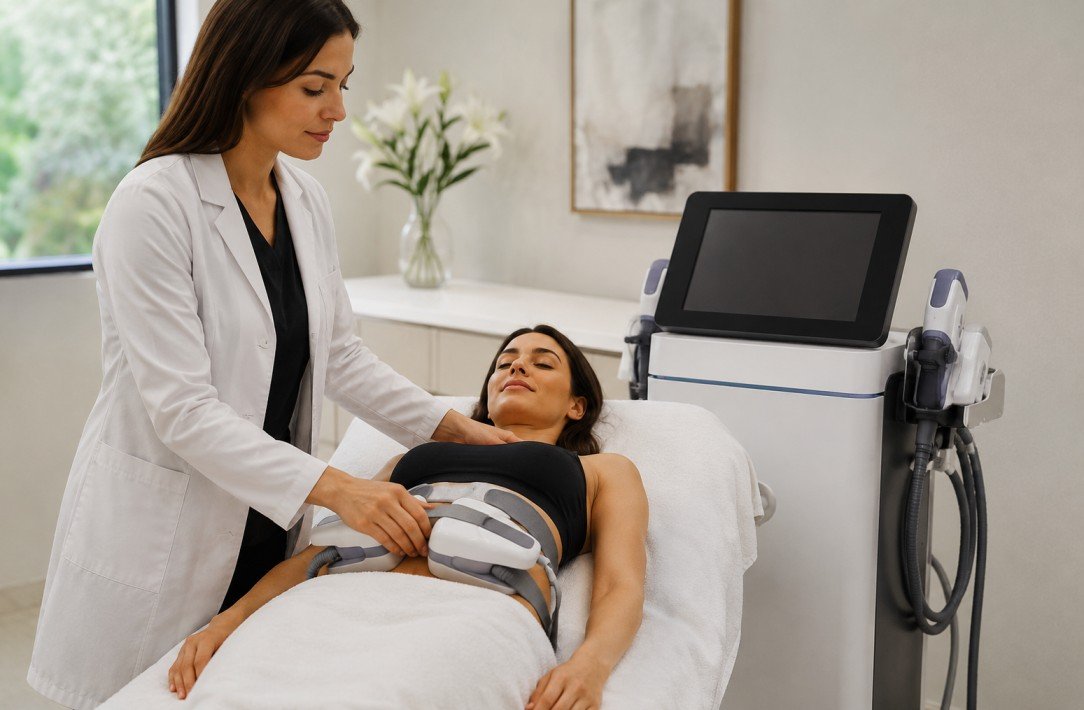
Stubborn belly fat is one of the most frustrating challenges people face when trying to improve their appearance and overall health. You can spend months eating nutritious foods, following a workout plan, and maintaining an active lifestyle, yet that persistent layer of abdominal fat often seems determined to stay exactly where it is.
For many people, the issue is not a lack of effort. Instead, it is the complex way the body stores and protects fat around the midsection.
The desire for a flatter stomach has driven millions of people to search for effective solutions. While surgical procedures such as liposuction have traditionally been viewed as the fastest option, many individuals are now looking for non-surgical alternatives that deliver visible results without incisions, anesthesia, or lengthy recovery periods. Advances in body contouring technology have made this possible, creating new opportunities for people who want to reduce stubborn fat without undergoing surgery.
The good news is that getting rid of stubborn belly fat without surgery is achievable when the right strategies are combined. Lifestyle improvements remain the foundation of long-term success, but modern non-invasive treatments can provide an extra advantage by targeting fat deposits that resist traditional methods. Understanding why belly fat develops, why it can be so difficult to lose, and which solutions actually work is the first step toward achieving a more sculpted and confident appearance.
This comprehensive guide explores the science behind stubborn belly fat, effective non-surgical approaches, and why innovative treatments such as truSculpt are becoming increasingly popular among people seeking body contouring solutions. If you have struggled with abdominal fat despite your best efforts, this article will help you understand the options available and how you can achieve your goals without surgery.
Understanding Why Belly Fat Is So Difficult to Lose
Many people assume that belly fat is simply the result of overeating or insufficient exercise. While these factors can contribute, the reality is far more complex. The body stores fat differently depending on genetics, hormones, age, lifestyle, and metabolic processes. As a result, the abdominal region often becomes one of the most stubborn areas when it comes to fat loss.
The body naturally stores energy in the form of fat to prepare for future needs. Certain fat deposits are more metabolically active and easier to burn, while others are designed to remain in place longer. Unfortunately, abdominal fat often falls into the second category. This is one reason why people frequently notice fat loss in their face, arms, or legs before seeing significant changes around their waistline.
Stress also plays a major role. Modern lifestyles are filled with work deadlines, family responsibilities, financial concerns, and constant digital stimulation. These factors can increase cortisol levels, a hormone strongly associated with abdominal fat accumulation. Elevated cortisol may encourage the body to store more fat around the midsection, even when overall calorie intake remains relatively controlled.
Aging introduces additional challenges. As metabolism naturally slows, the body burns fewer calories throughout the day. Muscle mass may decrease while fat accumulation becomes more likely. These changes can make maintaining a lean abdominal profile increasingly difficult over time. For this reason, many adults discover that the strategies that worked in their twenties become less effective later in life.
Understanding these biological realities is important because it shifts the focus away from self-blame and toward practical solutions. Belly fat is not always the result of poor habits. Often, it is a combination of genetic predisposition and physiological processes that require targeted intervention.
The Difference Between Subcutaneous and Visceral Fat
Not all belly fat is the same. In fact, abdominal fat can generally be divided into two categories: subcutaneous fat and visceral fat. Understanding the difference helps explain why certain treatments and lifestyle strategies are more effective than others.
- Subcutaneous fat is located directly beneath the skin. It is the fat you can pinch with your fingers and the type most commonly targeted by body contouring procedures. While many people dislike its appearance, subcutaneous fat is generally less dangerous than visceral fat from a health perspective.
- Visceral fat is stored deeper within the abdominal cavity and surrounds internal organs. Excess visceral fat has been linked to various health concerns, including cardiovascular disease, type 2 diabetes, and metabolic disorders. This type of fat is often influenced by factors such as diet, activity level, sleep quality, and hormonal balance.
The visible bulge many people associate with belly fat often contains a combination of both types. While healthy lifestyle habits can help reduce visceral fat, non-invasive body contouring treatments primarily target subcutaneous fat. By reducing these stubborn fat deposits, body contouring technologies can help create a slimmer and more defined abdominal contour.
Common Causes of Stubborn Belly Fat
Several factors contribute to the development and persistence of abdominal fat:
- Genetics: Some individuals are naturally predisposed to store fat around the waistline regardless of overall body weight.
- Diet: Consuming excess calories, particularly from highly processed foods and sugary beverages, encourages fat storage.
- Physical Inactivity: Sedentary lifestyles reduce overall calorie expenditure and encourage fat accumulation over time.
- Hormonal Changes: Fluctuations in insulin, cortisol, estrogen, and testosterone levels can all affect how the body stores and utilizes fat.
Why Traditional Weight Loss Methods Sometimes Fail
Many people begin their belly fat reduction journey with enthusiasm. They join a gym, cut calories, eliminate sugary foods, and commit to healthier habits. Initially, they may see encouraging progress. The scale moves in the right direction, clothes fit better, and energy levels improve. Then something frustrating happens—the belly fat remains.
This experience is incredibly common because traditional weight-loss methods are designed to reduce overall body fat, not target specific areas. The body determines where fat is lost based on genetics and hormonal influences, not personal preference. Someone might lose fat from their face, arms, and legs before seeing meaningful changes around the abdomen.
Another challenge is metabolic adaptation. When calorie intake is reduced for extended periods, the body may respond by conserving energy. Metabolism slows slightly, making continued fat loss more difficult. This survival mechanism evolved to protect humans during times of food scarcity, but it can become an obstacle for modern weight-loss efforts.
The Myth of Spot Reduction
One of the most persistent fitness myths is the idea of spot reduction. Many people believe that performing hundreds of sit-ups or abdominal exercises will specifically burn fat from the stomach. While these exercises strengthen and tone abdominal muscles, they do not directly eliminate the fat covering those muscles. Fat loss occurs systemically throughout the body.
How Hormones Affect Fat Storage
Hormones play a powerful role in determining where and how the body stores fat. Even individuals who maintain healthy diets and regular exercise routines may struggle with abdominal fat if hormonal imbalances are present.
Cortisol is one of the most significant hormones involved in belly fat accumulation. Produced in response to stress, cortisol can encourage the body to store fat around the midsection. Insulin is another important factor; consistently elevated insulin levels from excess sugar can make belly fat particularly difficult to lose. Age-related hormonal changes, like declining estrogen in women or decreasing testosterone in men, also heavily influence fat distribution.
Non-Surgical Solutions for Belly Fat Reduction
As interest in body contouring continues to grow, non-surgical treatments have emerged as attractive alternatives to invasive procedures. These solutions are designed to help individuals reduce stubborn fat deposits without the risks, discomfort, or recovery time associated with surgery.
These treatments are not intended to replace healthy habits. Instead, they work best as complementary tools for individuals who are already making positive lifestyle choices.
Lifestyle Changes That Make a Difference
Before considering any aesthetic treatment, it is important to recognize the value of foundational lifestyle habits. Sustainable fat reduction begins with healthy choices:
| Lifestyle Habit | Potential Benefit |
|---|---|
| Regular Exercise | Increases calorie expenditure and supports metabolism |
| Balanced Nutrition | Helps manage calorie intake and stabilize hormones |
| Adequate Sleep | Supports recovery and hormonal regulation |
| Stress Management | May reduce cortisol-related fat accumulation |
| Hydration | Supports metabolic function and overall health |
The Rise of Non-Invasive Body Contouring Treatments
The popularity of non-invasive body contouring has increased dramatically over the past decade. Consumers are increasingly drawn to treatments that offer visible improvements without anesthesia, incisions, or lengthy recovery periods. Among these technologies, truSculpt has emerged as one of the most recognized options for non-surgical fat reduction.
What Is truSculpt and How Does It Work?
truSculpt uses advanced radiofrequency technology to target fat cells beneath the skin and help the body eliminate them naturally. Unlike surgical procedures, truSculpt requires no incisions, no anesthesia, and no extended recovery periods.
The technology works by delivering controlled radiofrequency energy into the targeted treatment area. This energy generates heat that penetrates beneath the skin and reaches the underlying fat layer. Fat cells are particularly sensitive to elevated temperatures, allowing the treatment to selectively affect them while preserving surrounding tissues.
Over time, the body processes and removes the damaged fat cells through natural metabolic pathways. Because adult fat cells do not readily regenerate, the reduction can be long-lasting when supported by healthy lifestyle habits.
The Science Behind Radiofrequency Fat Reduction
Clinical studies evaluating radiofrequency body contouring technologies have demonstrated measurable reductions in fat thickness and circumference. An additional benefit of radiofrequency technology is its ability to stimulate collagen production. While the primary goal is fat reduction, some patients also notice improvements in skin texture and firmness.
Benefits of Choosing truSculpt for Belly Fat
No Surgery, No Downtime
There are no surgical cuts, no stitches, and no hospital stays. Patients complete the 15-minute session and return to their daily activities immediately afterward. Less disruption to fitness routines and work responsibilities.
Natural-Looking Results
Unlike some cosmetic procedures that create dramatic and immediate transformations, truSculpt works with the body's own metabolic processes. The result is a progressive, smoother, and more organic transition.
Who Is the Ideal Candidate for truSculpt?
Although truSculpt is effective for many people, the ideal candidate is someone who understands the treatment's purpose and has realistic expectations. The procedure is designed for body contouring and fat reduction, not significant weight loss.
Individuals who are close to their target weight but struggle with localized fat deposits often see the best results. These patients may already maintain healthy lifestyles yet continue to notice stubborn fat around the abdomen, waistline, or other areas.
Why Many Patients Choose TruSculpt Miami
Choosing the right provider is just as important as choosing the right treatment. Located in Miami, TruSculpt Miami focuses on advanced body contouring treatments designed to help patients reduce stubborn fat and improve body confidence without surgery. Their team works closely with patients to understand individual goals and develop customized treatment plans that align with desired outcomes.
Conclusion
Getting rid of stubborn belly fat without surgery is no longer an unrealistic goal. While healthy eating, regular exercise, quality sleep, and stress management remain essential foundations, modern body contouring technologies provide additional tools for addressing the fat deposits that often resist traditional methods.
By combining targeted fat reduction with healthy lifestyle habits, patients can achieve a slimmer and more sculpted appearance while maintaining long-term confidence without surgical risks.
— Dr. Nina Gupta, MD